
Summary:
Electrical contractors juggle complex schedules, coordination with other trades, estimating, and constant communication. Construction virtual assistants handle back-office tasks like scheduling, documentation, and proposal support, allowing contractors to focus on field execution and productivity.
Key Takeaways:
- Reduced admin workload: VAs manage emails, reports, and documentation.
- Improved scheduling: Calendars, reminders, and coordination stay organized.
- Faster estimating support: VAs assist with bid prep, takeoffs, and proposals.
- Better communication: Client, vendor, and trade follow-ups stay consistent.
- Stronger workflows: Organized records prevent delays and confusion.
Bottom Line:
Virtual assistants help electrical contractors streamline operations, reduce distractions, and keep projects moving efficiently—without adding in-house overhead.
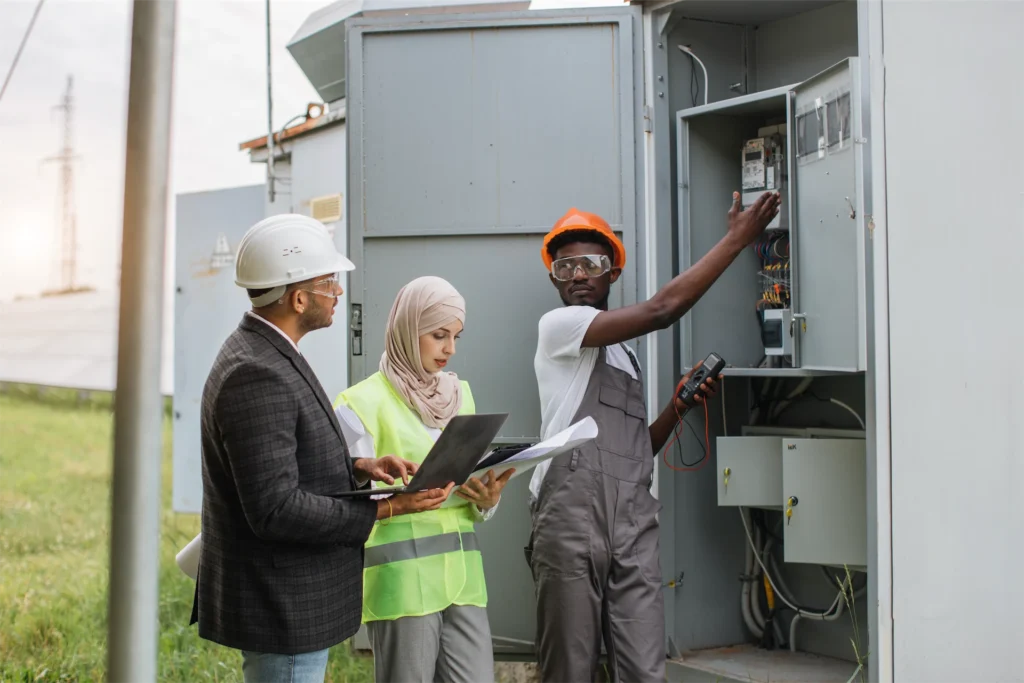
Electrical contractors know that their work requires precision, coordination, and the ability to keep multiple moving parts on track at once. Between managing jobsite schedules, coordinating with other trades, sourcing materials, and handling client communications, it’s easy for the administrative side of the business to start pulling too much focus. Time that should be spent on managing projects and ensuring crews stay productive often gets eaten up by paperwork, emails, and scheduling conflicts.
That’s where virtual assistants come in. With construction-focused training and experience, a construction virtual assistant (VA) can take on the critical back-office tasks that slow contractors down. For electrical contractors, this support can mean the difference between staying caught up and falling behind. By streamlining communication, scheduling, documentation, and proposals, virtual assistants allow electrical contractors to focus on running efficient projects.
The Administrative Burden on Electrical Contractors
Electrical contractors don’t just run wiring and install systems — they juggle a mix of technical responsibilities and administrative duties. Each project brings its own load of paperwork, from job schedules to vendor communications to client updates. When you add in coordinating with general contractors, engineers, or other trades, the workload multiplies.
For small and mid-sized businesses, it’s common for owners and project managers to end up wearing too many hats. Instead of concentrating on field productivity and project oversight, they’re pulled into tracking emails, updating reports, or answering client questions. These administrative demands can quickly cause delays and reduce profitability if they aren’t managed efficiently. A construction VA helps relieve that burden by stepping in to keep the back office organized and running smoothly.
The Role of a Construction Virtual Assistant
So what exactly does a virtual assistant for construction do? Unlike general VAs, construction VAs are trained in industry-specific workflows and terminology, which makes them valuable partners for electrical contractors. Their role is to bridge the gap between field operations and administrative support so projects keep moving without bottlenecks.
A construction VA can handle tasks like scheduling meetings, organizing documentation, preparing reports, and following up with clients or vendors. They can also support estimating by collecting and organizing quotes, managing spreadsheets, and assisting with proposal preparation. This level of remote construction support means electrical contractors don’t have to sacrifice hours of their day to tasks that could be handled virtually.
Streamlining Scheduling and Communication
One of the biggest challenges electrical contractors face is coordinating schedules. They often need to adjust timelines based on project progress, availability of other trades, or changes requested by clients. Without careful management, scheduling conflicts can lead to wasted labor hours and costly delays.
This is an area where a construction VA adds immediate value. By managing calendars, tracking project timelines, and handling communications, a VA keeps projects running on schedule and ensures nothing falls through the cracks. Here are a few ways they support contractors in this area:
- Coordinating schedules between electricians, project managers, and clients
- Sending reminders for important meetings, inspections, or deadlines
- Tracking communications across email and phone to ensure quick responses
- Managing follow-ups with suppliers or subcontractors to confirm delivery and availability
When scheduling and communication are handled consistently, contractors have more bandwidth to focus on technical project needs without worrying that an email or call slipped through unnoticed.
Support for Estimating and Proposals
Winning new projects is just as important as completing ongoing ones, but the estimating and proposal process often takes longer than expected. Electrical contractors need accurate takeoffs, organized vendor quotes, and professional proposals to compete effectively. Trying to manage this process alone can be overwhelming, especially during peak seasons.
That’s where construction estimating assistants come in. A VA trained in estimating can organize bid documents, manage spreadsheets, and prepare proposal drafts. They don’t replace the contractor’s expertise in pricing and strategy, but they make the process more efficient by handling the time-consuming administrative work. With this kind of support, electrical contractors can submit more proposals, respond to opportunities faster, and improve their chances of securing profitable jobs.
Improving Project Workflow and Documentation
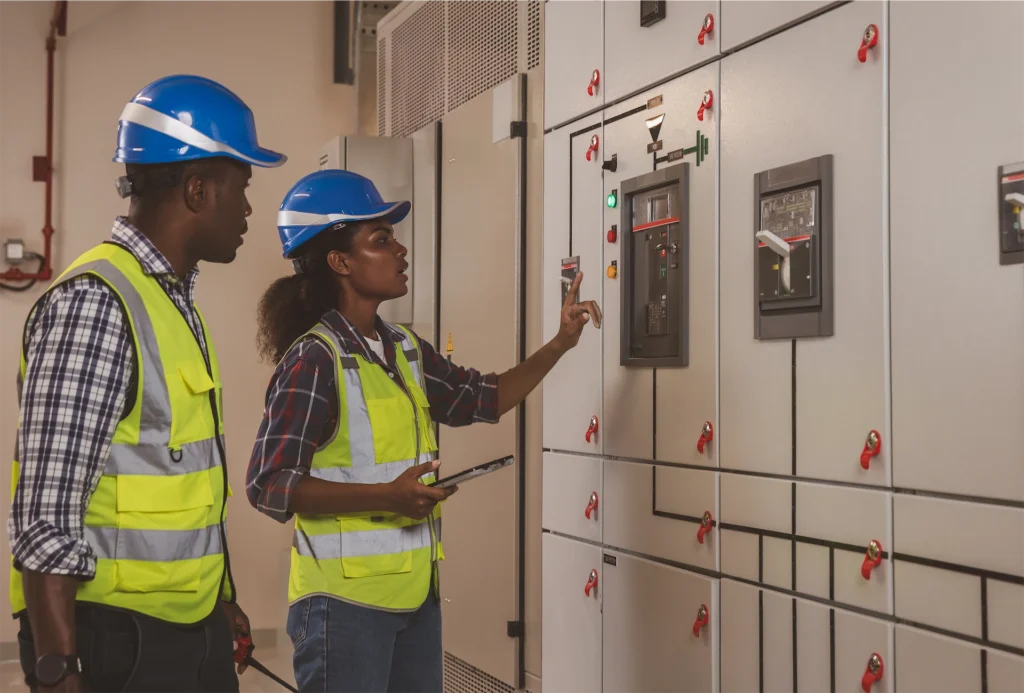
Documentation is the backbone of every electrical project. Daily reports, updated drawings, inspection notes, and client communications all need to be maintained and easily accessible. When documentation isn’t properly tracked, it can create confusion and slow down progress.
A construction VA helps by standardizing and organizing project records so information is available when it’s needed. They can maintain digital filing systems, update shared platforms, and ensure project milestones are tracked consistently. This reduces the risk of missed steps, helps contractors stay compliant with project requirements, and creates a smoother workflow from start to finish. When documentation is under control, contractors spend less time searching for information and more time managing productive teams.
Conclusion
For electrical contractors, every hour counts. Balancing technical expertise with administrative responsibilities is a constant challenge, but virtual assistants provide a practical solution. By managing scheduling, communications, estimating support, and documentation, a construction VA makes it easier to run streamlined, profitable projects.
At Virtual Construction Assistants, we specialize in providing construction-focused VAs who understand the unique needs of contractors. Our assistants are trained to support your back office so you can focus on delivering quality work in the field.
If you’re ready to see how a construction VA can help your electrical contracting business stay efficient and competitive, book your free consultation today.