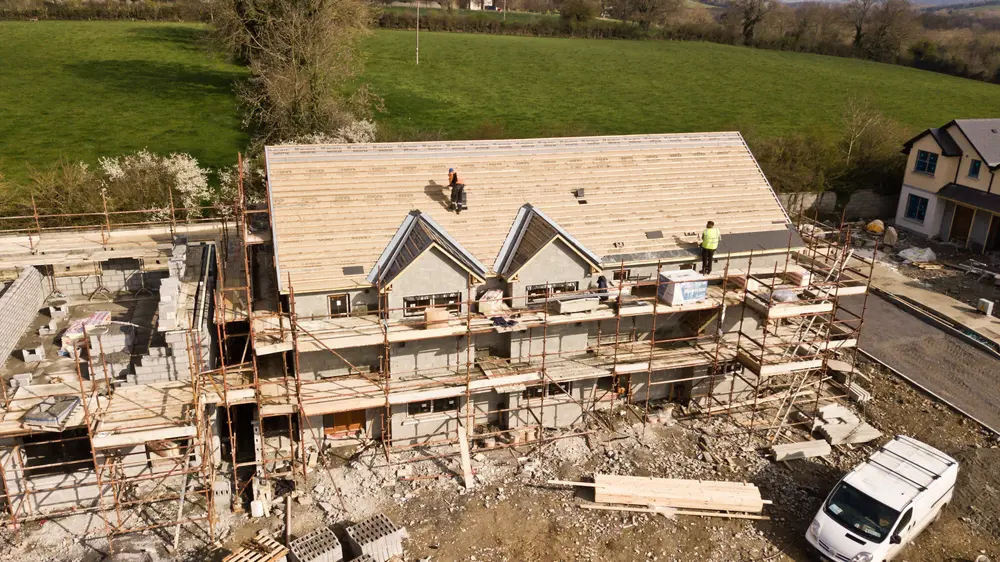
In residential construction, timing is everything. A construction administrative assistant helps contractors stay on schedule by managing communication, scheduling subcontractors, tracking deliveries, and updating project documentation. With their coordination and organization skills, they prevent delays, reduce stress, and improve project efficiency—helping contractors deliver homes on time and within budget.
Key Takeaways:
- Scheduling is critical—one delay can impact the entire residential build
- Admin assistants track timelines, subcontractors, and materials deliveries
- They manage inspections, reports, and client updates to prevent disruptions
- Virtual assistants provide affordable, scalable scheduling support
- Organized communication improves client trust and team accountability
This article explains how construction administrative assistants keep residential projects running smoothly by streamlining schedules, documentation, and communication.

Residential construction is all about timing. From coordinating subcontractors to managing client updates and materials deliveries, even small delays can ripple through the entire project. The challenge is that most contractors are pulled in too many directions at once—balancing site supervision, vendor coordination, and paperwork—all while trying to keep projects on schedule. When administrative tasks pile up, schedules slip, and profitability follows.
That’s where specialized construction administrative assistant services make a measurable difference. A construction-trained assistant doesn’t just manage paperwork; they bring structure to scheduling, communication, and documentation, allowing residential projects to stay on track without overwhelming the core team.
Why Scheduling Is So Critical in Residential Construction
Scheduling is the backbone of every successful residential project. Between subcontractor timelines, supply deliveries, inspections, and client requests, contractors juggle dozens of moving parts that all depend on precise timing. When one task runs late—like a framing crew delayed by a late materials shipment—it can push back the entire sequence of trades and extend completion dates.
Delays also have financial consequences. Idle crews, rework, and rescheduled inspections increase costs while reducing client satisfaction. Homeowners expect consistent updates and clear completion dates, and when communication falters, confidence in the contractor’s reliability starts to erode.
An organized scheduling system prevents those problems before they start. With the help of a construction-trained administrative assistant, contractors gain a single point of coordination to manage timelines, track dependencies, and ensure no detail is missed. By maintaining clear schedules and communication channels, they help turn unpredictable build cycles into reliable workflows.
The Role of Construction Administrative Assistants
A construction administrative assistant serves as the operational anchor behind every project. They combine administrative skill with industry knowledge, handling essential back-office duties that directly affect scheduling, documentation, and communication.
In residential construction, these assistants coordinate between the office and the field, keeping teams aligned and informed. They update project calendars, log progress reports, and confirm that tasks are completed before moving on to the next phase. Because they understand construction workflows, they anticipate bottlenecks and keep timelines running smoothly.
For contractors looking to optimize efficiency without adding full-time overhead, a virtual assistant for residential contractor provides the same benefits remotely. These professionals are trained to work within industry-specific tools, maintain accurate records, and assist project managers in staying organized while projects move from framing to final walkthroughs.
Keeping Residential Construction Project Scheduling on Track
The most valuable contribution a construction administrative assistant provides is control over scheduling. By managing timelines, task lists, and communication, they ensure every project phase stays aligned with the master schedule.
Key scheduling tasks a construction administrative assistant can manage include:
- Tracking start and completion dates for each trade
- Coordinating subcontractor availability and confirming commitments
- Monitoring material deliveries and supplier timelines
- Updating daily or weekly progress reports for management review
- Sending calendar reminders for inspections, walkthroughs, and milestones
- Adjusting schedules when changes or delays occur
This kind of structured residential construction project scheduling minimizes downtime and keeps everyone accountable. Rather than waiting for site updates or chasing confirmations, contractors get real-time visibility into project progress. That allows faster decision-making, more accurate forecasts, and better coordination across teams.
A construction-trained assistant also tracks change orders and ensures that any client-driven adjustments are reflected in updated schedules and budgets. By keeping all moving parts synchronized, they help prevent misunderstandings that can lead to rework or costly delays.

Beyond Scheduling: Supporting Broader Project Efficiency
While scheduling is a major benefit, construction administrative assistants support every part of project management. They handle tasks like document control, progress reporting, and communication tracking—all of which influence how smoothly a project runs.
Assistants manage permits, organize documentation, and maintain digital filing systems so information is always accessible when needed. They also keep project managers updated on outstanding items, such as vendor invoices or pending approvals, reducing last-minute surprises.
For companies that need full-spectrum support, it’s easy to hire a virtual construction administrative assistant trained to manage these workflows remotely. They can work directly within your project management systems to streamline updates, generate reports, and prepare schedules—making it easier for contractors to stay focused on client satisfaction and quality work.
Ultimately, this integration of scheduling, documentation, and coordination allows contractors to deliver projects faster and with fewer disruptions.
Why Small and Mid-Sized Contractors Benefit the Most
Larger construction firms often have full-time office staff to manage scheduling and paperwork, but smaller and mid-sized contractors rarely do. In many residential construction companies, the owner or project manager doubles as the administrator—spending evenings entering updates or tracking invoices instead of planning the next project phase.
That’s where an admin assistant for contractors makes the biggest impact. By delegating administrative work to trained professionals, contractors reduce the risk of burnout while ensuring every task receives the attention it deserves. From coordinating with vendors to confirming inspection dates, assistants handle the details that keep projects running smoothly.
Partnering with a virtual assistant for construction firms provides flexibility as well. Contractors can scale support up or down depending on project volume, ensuring they always have enough administrative coverage without unnecessary payroll costs. The result is a more agile, productive team that can take on more work without sacrificing quality or timelines.
Conclusion
A reliable construction administrative assistant is the foundation of a well-organized residential project. From scheduling subcontractors to managing documentation and communication, their work ensures that every task happens on time and every update is tracked. With proper administrative support, contractors can shift from reactive problem-solving to proactive project management—keeping schedules tight, clients happy, and crews productive.
At Virtual Construction Assistants, we provide specialized construction administrative assistant services for residential and commercial contractors. Our trained VAs understand the demands of scheduling, coordination, and project documentation, helping you deliver projects more efficiently and consistently. Ready to experience the difference? Book a consultation today.