Last Updated: January 5, 2026 | Published Date: March 14, 2025
(This guide was updated to reflect current construction bidding practices, cost estimation strategies, and proposal standards for 2026.)
Winning construction projects starts long before crews arrive on site. It begins with a clear, accurate, and professional bid. Knowing how to write a bid for construction helps contractors win profitable work, avoid disputes, and build long-term client relationships.
Construction bidding has become increasingly competitive. Project owners and general contractors are no longer choosing bids based on price alone. They want clarity, reliability, and confidence that the contractor fully understands the scope of work. A well-written bid demonstrates professionalism and reduces uncertainty before a contract is ever signed.
This step-by-step guide explains how to write a construction bid that stands out, protects your margins, and improves your chances of approval.
TL;DR: How to Write a Bid for Construction
- Review drawings, specifications, and bid instructions carefully
- Calculate labor, materials, equipment, overhead, and profit accurately
- Define the scope of work clearly and completely
- Organize the bid for readability and professionalism
- Submit the bid on time and in the required format
What Is a Construction Bid?
A construction bid is a formal proposal submitted by a contractor outlining the cost, scope, timeline, and terms for completing a construction project. It allows project owners to compare multiple contractors and select the one that best meets their needs.
A strong construction bid answers four critical questions:
- What work will be completed
- How much the project will cost
- How long the work will take
- Why the contractor is qualified to perform the job
Bids are commonly required for public projects, commercial construction, and large residential developments. Even when formal bidding is not required, a written bid helps establish expectations and protects both parties.

Why Writing a Strong Construction Bid Matters
A construction bid is often the first impression a client has of your business. A poorly written or unclear bid can raise concerns about organization, communication, and reliability—even if your pricing is competitive.
Well-written construction bids help:
- Reduce misunderstandings before work begins
- Minimize change orders caused by unclear scopes
- Protect profit margins
- Build trust with clients and project owners
- Increase bid approval rates
Contractors who treat bidding as a strategic process, rather than a rushed administrative task, tend to win more consistent and profitable work.
What to Include in a Construction Bid
While bid requirements vary by project, most construction bids should include the following components.
Project Overview
This section summarizes the project and confirms your understanding of the scope and objectives. It shows the client that you have reviewed the drawings, specifications, and bid instructions carefully.
A clear project overview sets the tone for the rest of the bid and helps prevent misalignment.
Scope of Work
The scope of work defines exactly what is included in your bid. This is one of the most important sections of the proposal.
A strong scope of work should:
- List all major tasks and deliverables
- Identify materials and systems included
- Clarify exclusions and assumptions
- Reference relevant drawings or specifications
Clear scopes protect both the contractor and the client by reducing ambiguity.
Cost Breakdown
The cost section outlines how pricing is structured. While some bids require a lump sum, many clients prefer a transparent breakdown.
Typical cost categories include:
- Labor
- Materials
- Equipment
- Subcontractors
- Overhead
- Profit
Providing a clear cost breakdown increases trust and reduces follow-up questions during bid review.
Project Timeline
This section outlines the anticipated schedule for the project. Include estimated start and completion dates, along with any major milestones if applicable.
Accurate timelines demonstrate planning and help clients coordinate with other trades or stakeholders.
Terms and Conditions
Terms and conditions clarify how the project will be managed financially and contractually. Common items include:
- Payment schedules
- Retainage terms
- Change order procedures
- Warranty information
- Bid validity period
Clear terms reduce disputes later in the project lifecycle.
Company Qualifications
This section highlights why your company is qualified for the work. Include:
- Relevant experience
- Licenses and certifications
- Similar completed projects
- Safety records or compliance standards
Clients want confidence that you can deliver the project as promised.
Step-by-Step Guide to Writing a Construction Bid
Step 1: Review Bid Documents Thoroughly
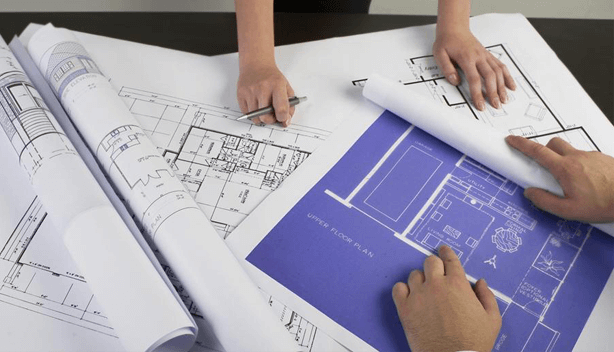
Start by reviewing all bid documents, including drawings, specifications, addenda, and submission instructions. Missing a requirement or misunderstanding scope details can result in disqualification.
Take notes, highlight key requirements, and confirm deadlines early in the process.
Step 2: Perform Accurate Estimating
Accurate estimating is the foundation of a successful construction bid. Consider:
- Labor hours and crew productivity
- Material pricing and availability
- Equipment usage
- Subcontractor quotes
- Overhead and contingency allowances
Avoid the temptation to underprice a bid just to win the job. Low bids often lead to financial strain during execution.
Step 3: Define the Scope of Work Clearly
Write the scope of work in plain, straightforward language. Clearly state what is included and excluded to prevent misunderstandings later.
A detailed scope protects margins and sets realistic expectations.
Step 4: Organize and Format the Bid Professionally
Professional formatting improves readability and credibility. Use consistent headings, logical sections, and clean layouts.
A well-organized bid makes it easier for reviewers to understand your proposal and compare it against others.
Step 5: Review and Submit on Time
Before submission, review the entire bid for accuracy, spelling, formatting, and compliance. Confirm submission method, deadline, and required attachments.
Late or incomplete bids are often rejected without review.

How to Write a Construction Bid That Wins Projects
Winning construction bids involves more than pricing. Clients look for contractors who reduce risk and demonstrate professionalism.
Winning bids typically:
- Use clear, concise language
- Align with the client’s stated priorities
- Highlight relevant experience
- Present realistic pricing
- Avoid vague descriptions
A bid that communicates confidence and clarity stands out, even in competitive bidding environments.
Common Construction Bidding Mistakes to Avoid
Many contractors lose bids due to avoidable errors, including:
- Incomplete scopes of work
- Unrealistically low pricing
- Poor formatting or inconsistent structure
- Missing submission requirements
- Lack of proofreading
Avoiding these mistakes improves both bid acceptance rates and project outcomes.
Sample Construction Bid Outline
Most contractors follow a standardized structure when preparing bids. A common outline includes:
- Cover page
- Project overview
- Scope of work
- Cost breakdown
- Timeline
- Terms and conditions
- Company qualifications
- Signature and acceptance
Using a consistent outline improves efficiency and reduces errors when bidding multiple projects.
How Construction Virtual Assistants Support Bid Preparation
As bidding volume increases, managing proposals becomes time-consuming. Construction virtual assistants help contractors stay organized by assisting with:
- Organizing drawings and bid documents
- Supporting takeoffs and data entry
- Formatting bid proposals
- Tracking deadlines and submissions
- Managing follow-up communications
This allows contractors and estimators to focus on pricing strategy and project execution rather than administrative workload.
Frequently Asked Questions About Construction Bids
How long should a construction bid be?
Most construction bids range from 5 to 20 pages, depending on project size, complexity, and client requirements.
What is the most common mistake in construction bidding?
Underpricing is one of the most common mistakes. Winning a job at too low a price often results in reduced profit or financial loss.
How do contractors price construction bids?
Contractors calculate bids by estimating labor, materials, equipment, overhead, and profit margins.
Can virtual assistants help with construction bids?
Yes. Construction virtual assistants can assist with documentation, formatting, deadline tracking, and proposal preparation.
Final Thoughts
Understanding how to write a bid for construction is essential for contractors who want consistent, profitable growth. A strong bid combines accurate estimating, clear communication, and professional presentation.
By refining your bidding process and leveraging the right support, you can submit stronger proposals, reduce risk, and win more of the right projects.